- 1 day
- Fri 17 Jul 2026
- 9:00am - 8:00pm
- Lima, Lima, Peru
- $425
PERU CHUNCHO Enter the engaging and complex world of chocolate origins with this structured course focusing on individual cacao origin regions and countries. This intense 1-day tasting-based course will introduce you to the culture, history, varieties and genetics of the origin and give you an understanding of the flavour profiles of chocolate made with cacao from the origin.
Origin: Peru Chuncho – classroom study, Lima, Peru
Fifteen years ago, Chuncho cacao was almost unknown, even in Peru. Now, it’s one of the most exciting cacaos available, popular with craft chocolate makers around the world. Explore the history and flavor of Chuncho in this online tasting course and learn about Chuncho cacao, which may well be the descendant from some of the first cacao to be domesticated by humans.
Chuncho was an almost forgotten cacao, growing in remote Upper Amazon valleys such as the upper Urubamba. Because of the area’s inaccessibility, the difficult conditions and the delicate nature of Chuncho cacao, with some types having very small fruits and beans, it was not considered commercially viable. When it was traded, it was often mixed with general ‘Peru’ origin cacao, causing both its distinctive flavour and its heritage to be overlooked.
As part of the US ‘war on drugs’, US AID helped introduce the more productive CCN-51 clonal cacao to the region, which is not native to Peru and generally considered not to have fine flavor, but this did help to open up trade and create an interest in the local cacao. When the craft chocolate movement began to take off in Peru, beginning with Shattel Chocolate and Cacaosuyo in Lima, there was a new interest in cacao from the Amazon, coinciding with Peru’s world-renowned culinary scene exploring Amazonian cuisine for the first time.
When these pioneer chocolate makers started to buy pure Chuncho cacao not mixed with other cacao, the world experienced the completely new and never before experience flavor notes of Chuncho for the first time. Soon bars made with Chuncho were winning first local, then regional, then world prizes, helping to establish Chuncho as one of the most popular new cacaos.
The story doesn’t end there though, Peru has now become one of the leading craft chocolate making countries in the world, exploring and developing the extraordinary depth of its ancient cacaos. We see this especially in the farms and settlements towns around Quillabamba, where a new generation of traditional farming families have created their own boutique chocolate brands and are now at the cutting edge of Chuncho flavour, varieties and fermentation.
This course will be taught in English and Spanish in one extended classroom day, including an evening session, followed by an online exam session with a short answer exam and an origin identification blind tasting test.
The course will include:
- Samples of 15 craft chocolate bars from the origin
- Course notes (in PDF format)
- A map of the origin (PDF format)
Your chocolate samples will include:
- Samples of bars made from classic sources and farms within the origin
- Examples new origins and projects from within the origin
- Samples of chocolate made from the origin country, where possible
- Examples of different recipes used by chocolate makers for the origin
Study format
The course will be taught in an intensive 1-day format. The day will be extended into the evening to complete the course in a single day. Lunch will be provided. The course will introduce the origin and include group tasting and profiling using the IICCT flavour profiling system.
Exams
The course will be examined with an online short answer exam and blind tasting of chocolate samples and will be moderated by our Institute assessors to our usual standards as an accredited FDQ Learning Centre. The course fee includes the cost of the exam registration. The short answer part of the exam may be completed in a separate online session if the teaching part of the course extends too long during the day. No reduction is offered in the event of not passing the course and retakes will be charged at 100€ (incl. VAT).
Origin Introduction Origin Study
The origin study program takes the subject of chocolate flavour study to a more detailed level, focusing on each cacao producing country – or region in larger countries. The program will give you the background and knowledge to fully understand the flavour profile of an origin based on its cacao genetics and introductions, climate, farming practices and the culture and history of the origin.
Origin Study is divided into two courses for each origin, beginning with an introductory course, which takes place in a classroom setting or can be taken online. You can then take your origin journey a step further with the Origin Field Study trip, which is based around a field visit to the origin, exploring the culture and cacao sources of the origin in person.
The Origin Introduction course includes tasting of a range of dark chocolate bars made from the origin, representing the traditional ‘classic’ flavour of the origin, as well as new varieties, trends and processes. Through classroom or online learning and tasting, cacao sources within the origin will be given context to help build your understanding of how the origin’s flavour profiles are created and how flavour differs across the origin.
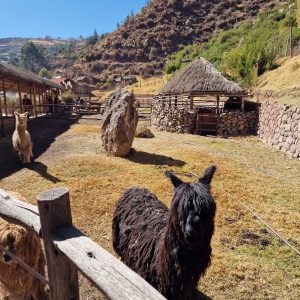
- Tasting and flavour profiling of 15 or more dark chocolate craft bars made with cacao from the origin
- Tasting of commercial versions of the origin, including defect identification
- An overview of the geography and history of the origin
- An introduction to the types and varieties of cacao growing in the origin
- A look at the main cacao producers in the region, including well-known names and lesser-known farms and cooperatives
- A review of changes and developments in the origin, giving you an inside look at new processes and flavours coming from the origin
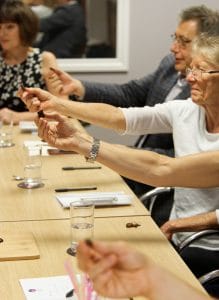
- Certified IICCT tasters wishing to extend their chocolate learning
- Tasters who want to develop their understanding of individual origins
- Educators who want to develop their background knowledge
- Chocolate makers who want to learn more about the source of the cacao they are using